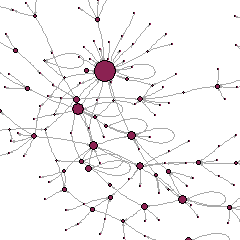
After having studied the impacts of AI on labour and society for years, I am now joining forces with colleagues interested in the materiality of AI and its appetite for natural resources – energy, water, and land. As part of the collaborative project SEED, with the DiPLab and FAIR teams, I spent almost a month doing fieldwork in Chile to dig deeper into the matter.
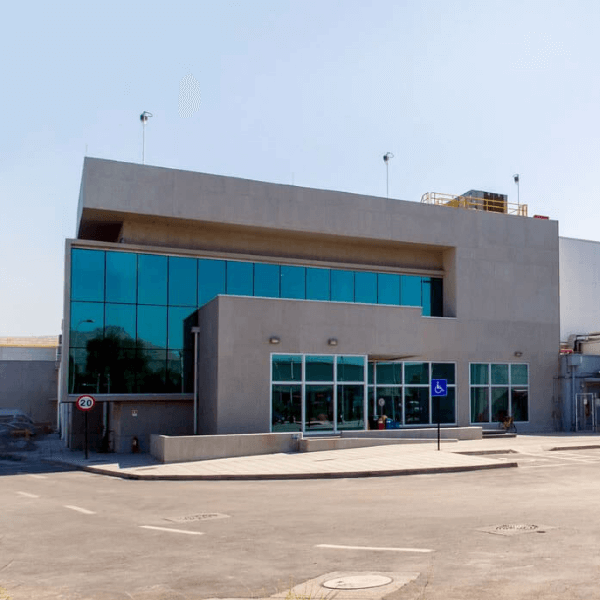
Chile is an especially interesting case study. In the global industry of AI, it is a peripherical country; but it is a rich country, highly digitized and with the best connectivity in the world, where use of AI tools is already widespread. It is not a leader, but it is a hub that provides resources. In Chile, all the phases of the supply chain of AI can be observed, starting from the mines of rare earths in Penco, and of copper and lithium in the Atacama Desert, to the data centers that populate (especially, though not only) the Quilicura area, the submarine cables that connect Valparaiso to the world through the Pacific, and the research labs in Santiago. Chile is also emblematic of the frictions that may arise as a result, and of the potential societal reactions – the most telling example being the quili.ai initiative to raise worldwide awareness about the consumption of water by data centers and the ensuing risks for the population. Yet, not all the potentially concerned actors have sufficient capacity to anticipate these impacts, especially outside the capital.
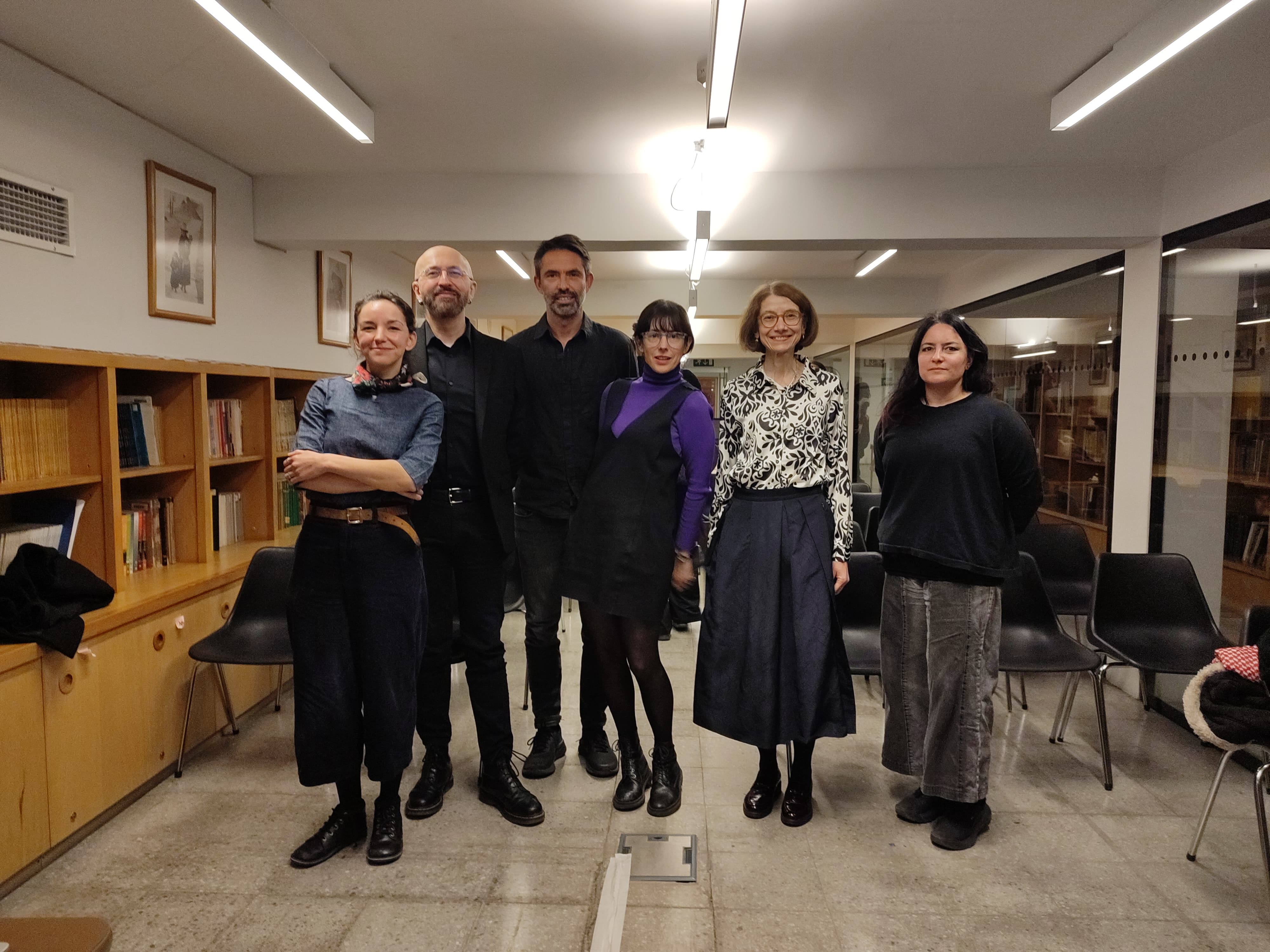
During almost a month, I could address these issues very productively with fellow researchers, policymakers, environmental judges, activists, and artists. The result is a rich baggage of information, and an extremely helpful basis for further research and action.


