Do you conduct research in social network analysis? Or in network science, with socio-economic data? If so, chances are that you encountered challenges when seeking ethical approval for your studies. Indeed, the nature of relational data and analyses raises unique issues, and ethical review boards are rarely attuned to dealing with these specificities.
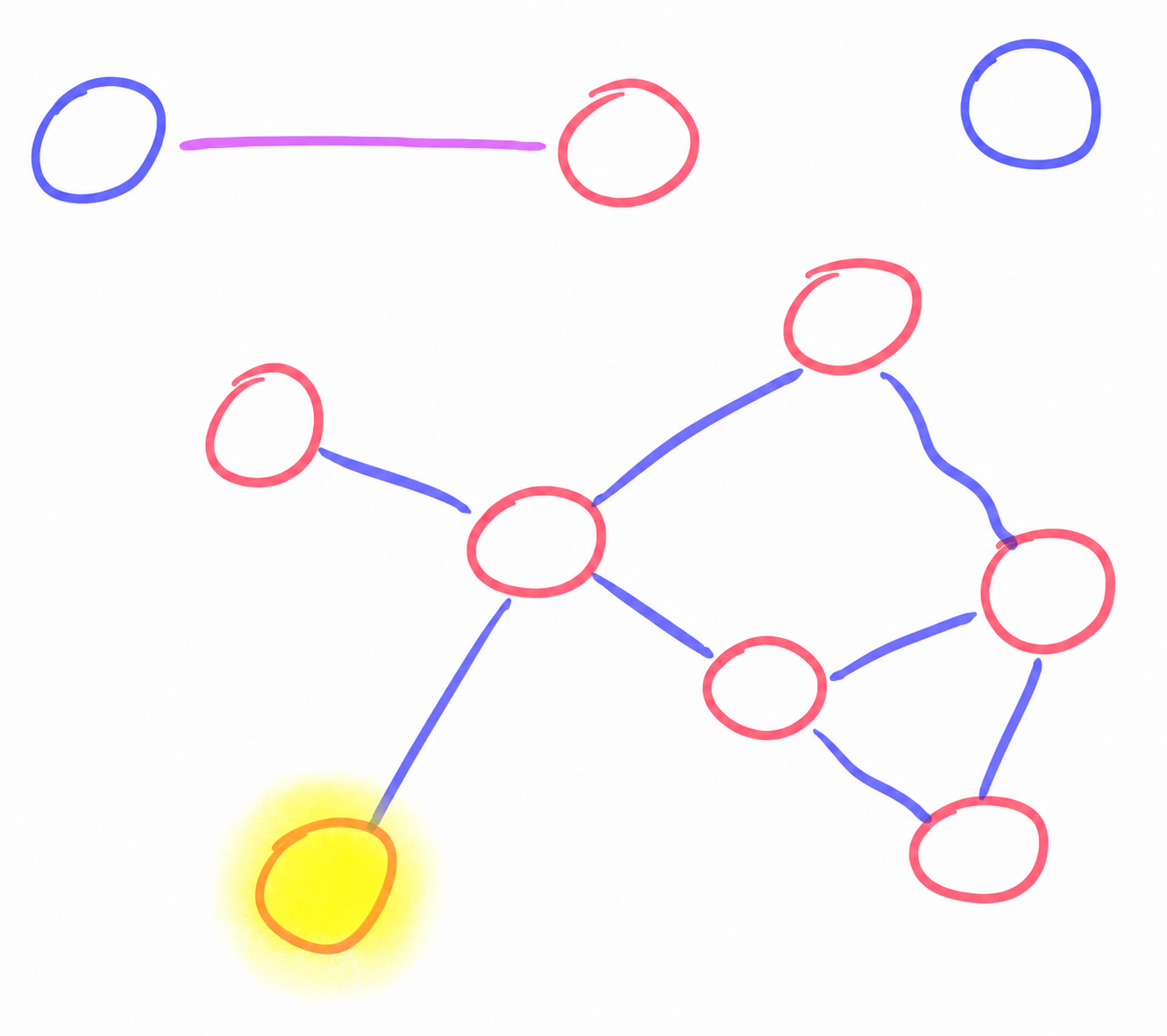
I have had the opportunity to join forces with an international group of researchers help the community exit this impasse. We have pulled together existing knowledge, experience, and solutions from across the world, aiming to share them with interested researchers. By so doing, we want to make ethics-related processes less clumsy to navigate and implement. The idea is to consolidate existing best practices and to facilitate their usage, not to impose new restrictions or requirements. The result is meant to be a resource that researchers can draw on to demonstrate and justify the ethically appropriate aspects of their research to their review boards.

The idea is also to go beyond the dividing line between social network analysis in the social science tradition, and network scientists in the physics/complexity/computer science traditions. Indeed, our team includes representatives of both areas. Now, our piece has come out – and it is freely accessible, in (gold) open access. We are excited to share the results of these efforts, and we hope they will facilitate further advances in network research. In addition to the published article, there is also a supporting website, with a synthesis of our main recommendations – a practical tool for anyone who has to negotiate with an ethical review board.
Ortiz Ruiz F, Tubaro P, Molina JL, et al. Recommendations for conducting ethical network research. Network Science. 2026;14:e17, doi:10.1017/nws.2026.10034

