The dual footprint of AI

The impacts of artificial intelligence (AI) on the natural and social surroundings that supply resources for its production and use have been studied separately so far. In a new article, part of a forthcoming special issue of the journal Globalizations, I introduce the concept of the ‘dual footprint’ as a heuristic device to capture the commonalities and interdependencies between them. Originally borrowed from ecology, the concept denotes in my analysis the total impacts on the natural and social surroundings that supply the resources necessary for AI’s production and use. It is an indicator of sustainability insofar as it grasps the degree to which the AI industry is failing to ensure the maintenance of the social systems, economic structures, and environmental conditions necessary to its production. To develop the concept in this way, it is necessary to (provisionally) renounce some of the accounting flavour of extant footprint measures, allowing for a more descriptive interpretation. In my article, the dual footprint primarily serves as a mapping tool, linking impacts to specific locations and to the people and groups that inhabit them.

Gloria Mendoza / ‘The Environmental Impact of Data Centers in Vulnerable Ecosystems’ / https://betterimagesofai.org / https://creativecommons.org/licenses/by/4.0/

My analysis draws on recent research that challenges idealized narratives of AI as the sole result of mathematics and code, or as the fancied machinic replacement of human brains. The production of AI relies on global value chains which, like those of textiles and electronics, take shape within the broader context of globalization, its long-standing trends of outsourcing and offshoring, and the cross-country disparities on which it thrives.

The argument is based on two case studies, each illustrating AI-induced cross-country flows of natural resources and data labour. The first involves Argentina as a supplier to the United States, while the second includes Madagascar and its primary export destinations: Japan and South Korea for raw materials, France for data work. These two cases portray the AI landscape as an asymmetric structure, where the countries that lead the tech race generate a massive demand for imports of raw materials, components, and intermediate goods and services. Core AI producers trigger the footprint and therefore should bear responsibility for it, but the pressure on (natural and social) resources and the ensuing impacts occur predominantly elsewhere. Cross-country value chains shift the burden toward more peripheral players, obscuring the extent to which AI is material- and labour-intensive.
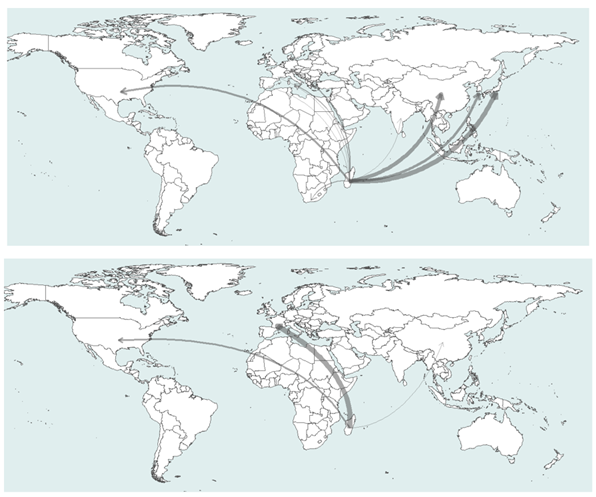
Flows of raw materials (mainly nickel and cobalt from the Ambatovy mining project) from Madagascar to East Asia and, to a lesser extent, Europe and North America (top); flows of data work services from Madagascar to France, followed by North America and to a lesser extent, East Easia (bottom). Madagascar, one of the poorest countries in the world, contributes to state-of-the-art AI production without managing to move up the value chain.

This drain of resources toward AI engenders adverse effects in peripheral countries. Mining notoriously generates conflicts, and data work conditions are so poor that other segments of society – from local employers to workers’ families and even informal-economy actors – must step in to cover part of the costs. The current arrangements thus fail to ensure their own sustainability over time. Additionally, the aspirations of these countries to leverage their participation to the AI value chain as a development opportunity, and to transition toward leading positions, remain unfulfilled.

The dual footprint can fruitfully dialogue with the critical literature that leverages the concepts of extractivism (for example, Cecilia Rikap‘s concept of “twin” extractivism) and dependency (as theorised for example by Jonas Valente and Rafael Grohmann). Its contribution lies mainly in the effort to operationalise the ideas of more abstract social theories, while also facilitating mutual enrichment between different literatures.

Read the full paper: subscription-protected or open-access preprint.

The paper was developed as part of an initiative on ‘The Political Economy of Green-Digital Transition‘, organised by Edemilson Paraná in 2024 at LUT University in Finland. Further, the idea that the environmental and social dimensions of AI production emanate from similar underlying socio-economic processes and geographical trajectories constitutes the foundation of SEED – Social and Environmental Effects of Data Connectivity, a new DiPLab project that investigates how data extraction and material extraction are deeply interconnected. It stems from a collaboration with Núcleo Milenio FAIR at the Pontificia Universidad Católica de Chile and compares data and material infrastructures in Europe and South America.

Credits: FAIR

Digital labor in the Middle East and Africa: Emerging trends, challenges, and opportunities

Following the success of the inaugural INDL-MEA Conference in 2024, the second event of the Middle East and Africa chapter of the International Network on Digital Labor (INDL-MEA-2) will take place exclusively online on 25-26 November 2025. The conference will serve as a key regional forum for researchers, policymakers, and practitioners engaged in studying and shaping the future of digital labor, gig work, data work, content moderation, and technology-related jobs in the Middle East and Africa.

Digital labor continues to evolve as a defining feature of global and regional economies, shaping employment opportunities, economic structures, and policy debates. The Middle East and Africa present unique dynamics in digital labor, characterized by platformization, algorithmic management, labor informality, and digital entrepreneurship, alongside issues of regulation, fair work practices, and digital workers’ agency.

With INDL-MEA’s second edition, we aim to enhance interdisciplinary and policy-relevant insights into platform work, automation, labor protections, and digital rights in the region. The programme is available here, and it is still possible to register here.

Sociology of AI, Sociology with AI (1)

There are two main ways in which a discipline like sociology engages with artificial intelligence (AI) and is affected by it. The sociology of AI understands technology as embedded in socio-economic systems and takes it as an object for research. Sociology with AI indicates that the discipline is also integrating AI into its methodological toolbox. Based on a talk that I gave at this year’s annual meeting of the European Academy of Sociology, I’ll give in what follows a brief overview of both. As a disclaimer, I have no pretention to be exhaustive. To narrow down the topic, I have chosen to focus on sociology specifically (rather than neighboring fields), and to rely only on already published, peer-reviewed research.

Anne Fehres and Luke Conroy & AI4Media, “Data is a Mirror of Us”/ https://betterimagesofai.org / https://creativecommons.org/licenses/by/4.0/

Let’s start with the sociology of AI, which I’ll illustrate with the help of the above artwork. Its aim is to demonstrate that even if there is a sense of magic in looking at the outputs of an AI system, the data on which it is based has a human origin. This work explores this idea through the symbolism of the mirror and reflection: beyond the magic, these outputs are a reflection of society. Sociological perspectives matter because they can help bring these social and human origins to the fore. In 2021, Kelly Joyce and her coauthors called for more engagement of sociologists in outlining a research agenda around these topics. Compared to other disciplines, we have a thicker understanding of the intersectional inequalities and social structures that interact with AI.

However, it was not sociology that initiated the conversation on these issues. Disciplines like computer science itself, communication, philosophy, and the arts shaped the debate. Landmark contributions were, among other things, a 2016 influential journalistic report about discrimination in predictive police applications, a 2018 computer science article on gender and race discrimination in face recognition, and an artistic project which, also in 2018, described Amazon Echo as an anatomical map of human labor, data and planetary resources. Conferences like ACM’s FaccT have become reference venues for these analyses. For clarity, some of the contributors to these debates are indeed sociologists but the discipline’s infrastructure of conferences, journals and institutions, has been less responsive.

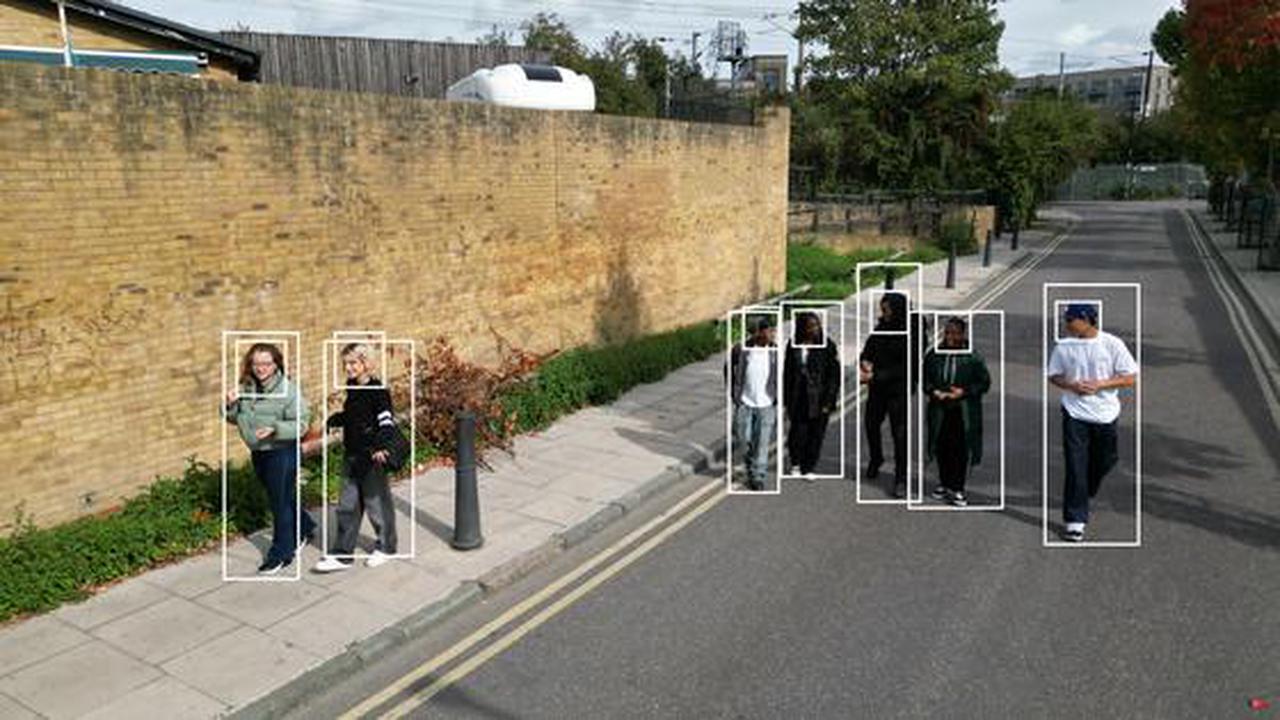
Why does the quasi-absence of sociology matter? I’ll answer this question through a 2022 paper, written by two sociologists but published in a computer science conference. The starting point is that early studies framed AI-related societal problems in terms of bias. For example, the above-mentioned report on predictive policing was entitled “machine bias”. This language points to technical corrections as remedy, but it cannot account for the social processes underway that comprise, among other things, increasing surveillance and privacy intrusion to collect more and more data (see image below). De-biasing may thus be insufficient to prevent injustice or inequality. A sociologically informed approach reveals that key questions are about power: who owns data and systems, whose worldviews are being imposed, whose biases we are trying to mitigate.

Comuzi/ ‘’SurveillanceView’’ / https://betterimagesofai.org / © BBC / https://creativecommons.org/licenses/by/4.0/

In recent years, more substantial contributions have been made within sociology. For example, there was a special issue of Socius last year on “Sociology of Artificial Intelligence”, and another one is forthcoming in Social Science Computer Review, entitled “What is Sociological About AI?. I’ll mention a non-exhaustive selection of topics and findings. First, sociologists have recognized the hype – or how financial, political, and other interests have boosted the circulation of (often) exaggerated claims. This means shifting the gaze from AI as an intellectual endeavor, to see AI as a market – where bubbles can, well, form. This also means recognizing the political dimensions of AI development, with many states using public funding as a crucial engine for innovation.

Second, AI practitioners engage in a form of social construction of morality to legitimate their approaches to AI. For example, some distance themselves from Big Tech capitalism, some insist on the benefits of some AI applications, most prominently in healthcare. These efforts ultimately shape which technologies gain visibility and attract capital investments. This is also a way through which they produce and sustain the AI bubble itself – a culturally embedded market phenomenon. Third, sociological analysis can move beyond the technological determinism of early AI critics to emphasize the social and institutional contexts within which such algorithmic decision-making systems are deployed. This brings to light forms of negotiation, adaptation, and resistance, which have more subtle effects on inequalities.

Nacho Kamenov & Humans in the Loop : “Data annotators labeling data” / https://betterimagesofai.org / https://creativecommons.org/licenses/by/4.0/

Fourth, there is labor. Beyond fears of job losses due to AI, sociological research has unveiled a growing labor demand to produce AI itself. This does not only include the work of elite engineers and computer scientists, but also the lower-level contributions of data annotators, content moderators, voice actors, transcriptors, translators, image labelers, prompt testers, and even very basic clickworkers. This work is typically outsourced and offshored, resulting in precarious working arrangements and low pay. The above photograph represents two workers who use this job as a means of livelihoods. Overall, there is no drop in employment levels, but a steady deterioration of working conditions and an accelarated shift of the power balance from labor to capital. AI affects the very labor that produces it.  

In sum, sociologists increasingly contribute to these conversations, although these topics are not prominent in the discipline’s flagship conferences and journals, and important knowledge gaps remain. The guest-editors of the forthcoming Social Science Computer Review special issue on “What is sociological about AI?” claim that “A sociological lens can render AI’s hidden processes legible, just as sociologists have done with complex and taken for granted social forces since the discipline’s inception”. They nevertheless note that “we neither have a robust concept of AI as a social phenomenon nor a holistic sociological discourse around it, despite vibrant and dynamic work in the area.” In passing, most extant studies rely on traditional methods, primarily surveys and fieldwork. This is not an issue in itself, but it highlights a disconnection with the sub-topic I’ll highlight in my next post – Sociology using AI as instrument.

Where do restaurants come from?

How do digital platforms affect the concrete functioning of markets that pre-existed them? Platforms are intermediaries and it was initially thought that they could solve any mismatches between supply and demand. In the restaurant sector, the hope was that they would seamlessly connect diners with available tables and help restaurants fill their rooms. Yet traditional booking methods remain, and many restaurants restrict the number of seats offered through platforms. A recent study, which I have just co-published with Elise Penalva Icher and Fabien Eloire, examines why.

We borrow Harrison White’s famous producer market model, based on the idea that the key problem of a firm is to position itself in a market that consists of differentiated niches. Restaurants are not homogeneous, and they continuously scan the market to fine-tune their offer – from fine dining to bistro and pizzeria. They evaluate two main indicators: volume, which is relatively straightforward, and quality, which is harder to gauge as it depends on subjective customer perceptions. Platforms break through this limitation by publishing consumers’ reviews and aggregating them into ratings. They provide “digital glasses” that reveal quality alongside volume.

The study investigates dine-in services in Lille, France, in the case of a widely adopted booking and review platform. Methods include participant observation, interviews, web-scraping, and quantitative analysis of business data.

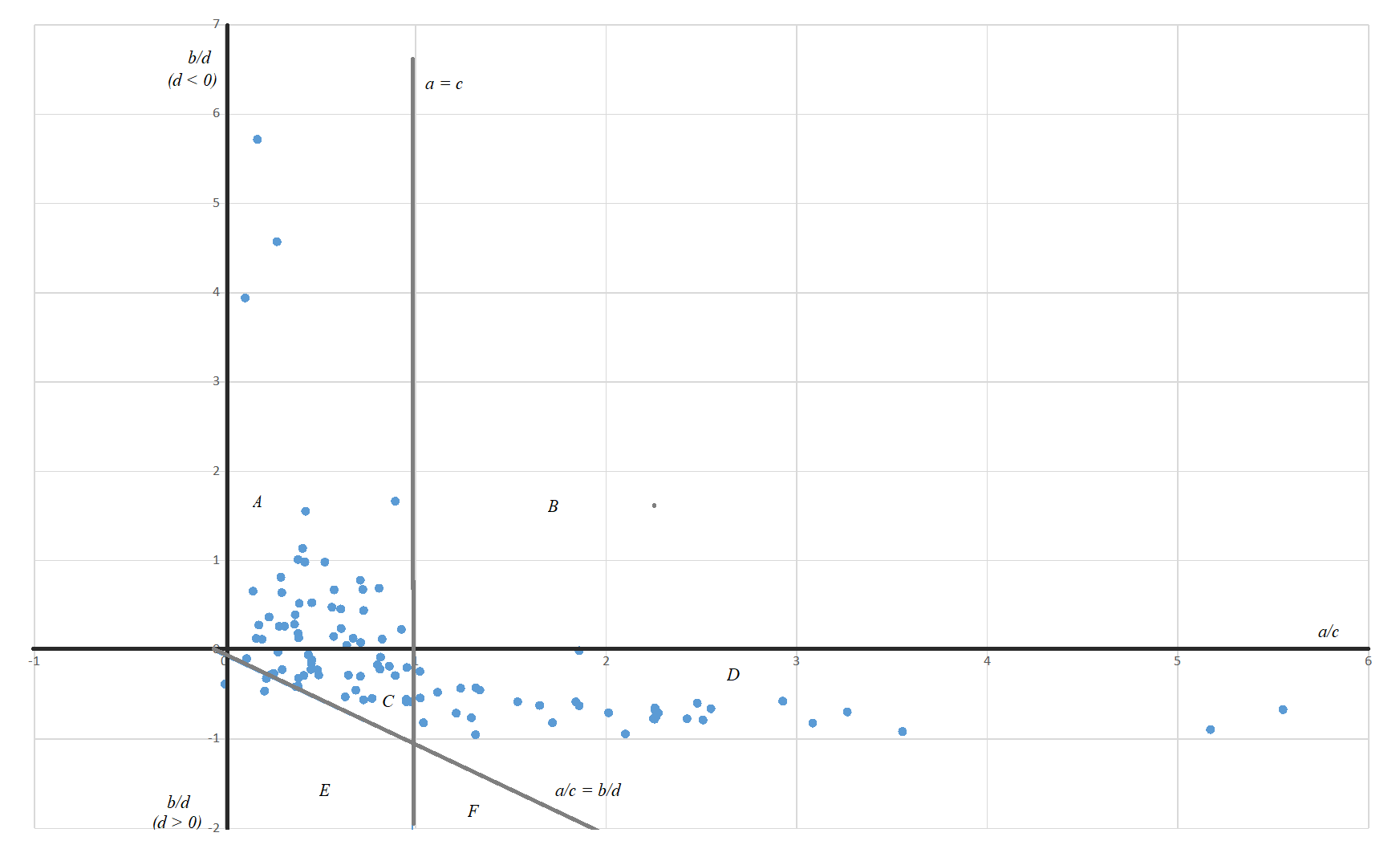
Lille restaurants in Harrison White’s model plot. Note: Horizontal axis: volume, vertical axis: quality. The sub-axes distinguish a non-viable (“Failure”) region from a viable one, in turn subdivided into three different regions (“Ordinary”, “Advanced” and “Paradox”). Zone A = Paradox, zone C = Ordinary, zone D = Advanced, all other zones = Failure. N = 105.

Findings highlight three key effects. First, an amplification effect: platforms enable restaurants to see “like a market,” not just through their own customers but also through competitors’ clients. Second, a normalization effect: platform use pushes firms to standardize their offers, fostering similarity without complete homogenization. Third, a duration effect: sustained platform participation depends on quality positioning, although many restaurants exit after a few years, partly in response to platform dominance. These dynamics suggest a broader rationalization process in which platforms make market observation more systematic and efficient.

This perspective nuances common claims about platforms as market “revolutions.” The study finds no evidence that platforms improve consumer–producer matching. None of the interviewed restaurateurs feared empty tables, and some deliberately withheld capacity from the platform to accommodate walk-ins or phone bookings. Overemphasizing intermediation, earlier research may have overlooked subtler effects. The key function of platforms does not always have to be matching. They can play diverse and even unbalanced roles on a single side of the market, without striving toward a competitive supply-demand equilibrium.

The analysis also reaffirms the validity of White’s model. Originally designed for settings where firms observed only volumes, the model still applies when platforms disclose quality through reviews. Its insights hold across different technological contexts.

Finally, the study underscores the limits of using platforms as sources of research data. We relied on platform data, but we faced gaps: available data are partial because platform objectives differ from research needs, and algorithms remain proprietary. This raises concerns, as platforms exert broad societal influence while controlling critical information.

Overall, the research advances understanding of how platforms affect business practices, in this case restaurants. It contributes to critical scholarship that recognizes the novelty of platform intermediation while tempering claims about its benefits.

The study is available in open access here.

A successful INDL-8 conference in Bologna

When we created ENDL (the European Network on Digital Labour), back in 2017, we booked a room with 17 places. A few days ago, the last conference of the network (which in the meantime has become INDL, replacing ‘European’ with ‘International’) hosted about 200 participants. Internationalisation has not only meant numerical growth, but also inclusion of a diverse range of voices: every year, we see more participants from countries that are often under-represented on the scientific scene, from India and South Africa to Argentina and Brazil. Participants have also diversified in another sense, too: if the majority have always been academics, it is a pleasure to see more and more workers, as well as labour organisers. This year, we could for example benefit from the presence of associations of data workers from Kenya, freelancers from France, and content moderators from Spain.

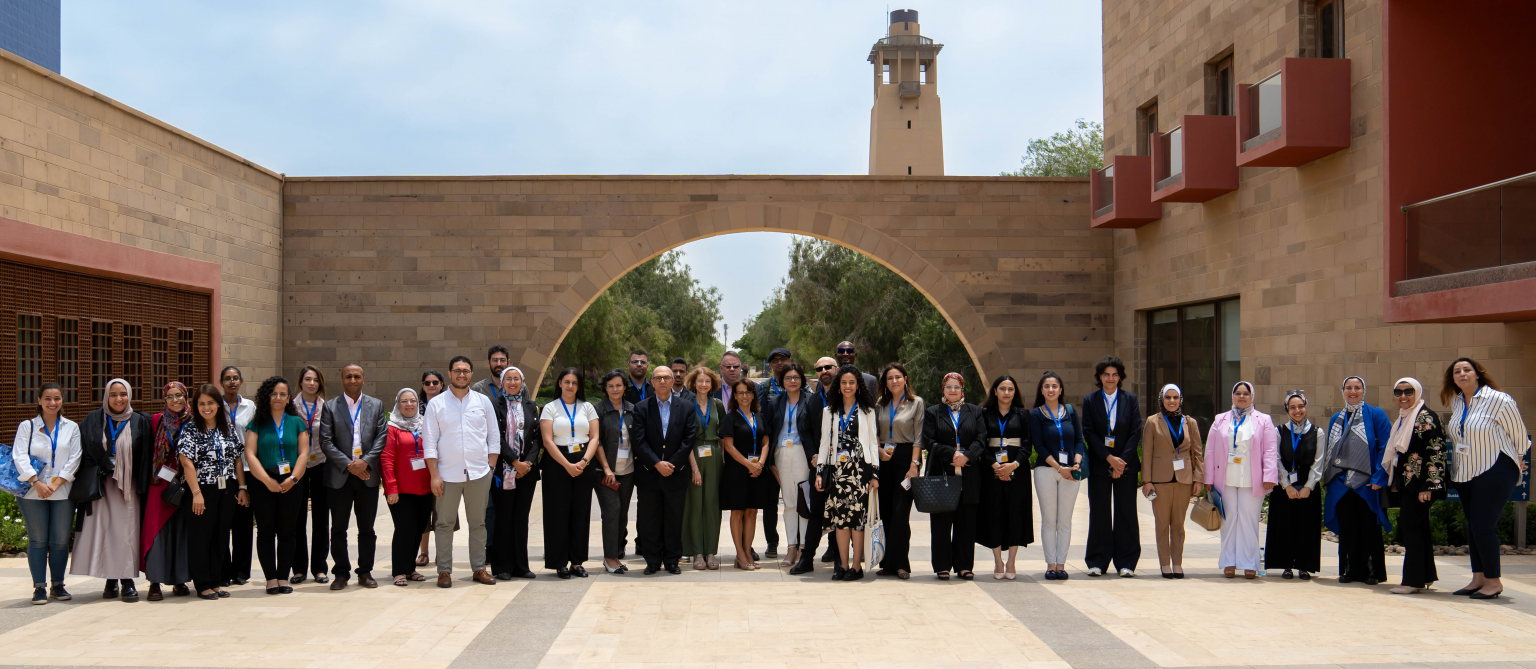
Participants to the INDL-8 conference, Saint-Cristina cloister, Bologna, IT, 10 September 2025.

A conference like this one is meant to give hope – hope of mutual understanding across countries and cultures, hope of dialogue across disciplines and fields, hope of connections between academic research and action. We worked together to ensure a welcoming environment for all, for instance by encouraging constructive comments, rather than sheer criticism, after each paper presentation. We also strived to keep costs down in order to make the conference free of charge, and with the DiPLab research programme, we could give a few small scholarships to promising presenters who might not have been able to travel otherwise.

Two speakers (M Francesco Sinopoli, Fondazione Di Vittorio, and Ms Kauna Malgwi, Uniglobal) at the plenary panel ‘Plenary panel: New Unionism, towards global alliances’, part of the INDL-8 Conference, DAMA Tecnopolo, Bologna, IT, 11 September 2025

Surely, problems remain. A couple potential participants had visa issues, while others had to cancel due to lack of funding. These problems weigh especially hard on people from emerging and lower-income countries outside Europe and North America. The future is also uncertain, as funding sources become increasingly dryer, and visa restrictions tighter. For this reason, the main INDL-9 conference next year (Geneva, ILO, 9-11 September 2026) will be accompanied by the growth of local chapters. The Middle-East and Africa area is preparing its second conference, this time online only, on 25-26 November. In the US, a one-day event will take place at Yale University on 29 April 2026. Colleagues in Chile and Argentina are launching a series of online events.

Closing keynote (Prof. Sandro Mezzadra, chair: Prof. Marco Marrone), Saint-Cristina Aula Magna, Bologna, IT, 12 September 2025

More information on the INDL-8 conference (including the full programme) is available here.

Call for Abstracts: INDL-8 Conference in Bologna

It is my pleasure to announce that the call for abstracts for the upcoming INDL-8 conference is now open.

The conference reaches Italy this year. It will take place in the most ancient University in the western world, Bologna, on 10-12 September 2025.

The overarching topic of this year’s conference is ‘Contesting Digital Labor: Resistance, counteruses, and new directions for research’. The goal is to explore how platform workers navigate, challenge, and reshape algorithmic management systems while forging innovative forms of solidarity and collective action. We also aim to explore the perspectives that technological developments open for workers in order to escape everyday surveillance, to resist top-down control and to organise to defend their rights.

In addition to presentations that directly address these questions, we welcome proposals that analyse a broader range of issues related to digital labour.

To read the full Call and submit your abstract, please visit the conference management website.

The deadline is 27 April 2025.

NB: A small number of scholarships to partly cover travel/subsistence costs will be made available – stay tuned for more information.

NB2: The keynotes and plenaries will be announced very soon.

Please feel free to share with any scholars and postgraduate students who might be interested.

2024 in review

My great regret is that I always have very little time to write posts, and the emptiness of this blog does not reflect the numerous, great and stimulating scientific events and opportunities that I have enjoyed throughout 2024. As a last-minute remedy (with a promise to do better next year…hopefully), I try to summarize the landmarks here, month by month.

In January, I launched the Voices from Online Labour (VOLI) project, which I coordinate with a grant of about €570,000 from the French National Agency for Research. This four-year initiative brings together expertise from sociology, linguistics, and AI technology across multiple institutions, including four French research centres, a speech technology company, and three international partners.

In February with the Diplab team, I spent two exciting days at the European Parliament in Brussels, engaging in profound discussions with and about platform workers as part of the 4th edition of the Transnational Forum on Alternatives to Uberization. I chaired a panel with data workers and content moderators from Europe and beyond, aiming to raise awareness about the difficult working conditions of those who fuel artificial intelligence and ensure safe participation to social media.

In March, three publications saw the light. One is a solo-authored chapter, in French, on ‘Algorithmes, inégalités, et les humains dans la boucle‘ (Algorithms, inequalities, and the humans in the loop) in a collective book entitled ‘Ce qui échappe à l’intelligence artificielle‘ (What AI cannot do). The other two are journal articles that may seem a little less close to my ‘usual’ topics, but they are important because they constitute experiments in research-informed teaching. One is a study of the 15-minute city concept applied to Paris, realized in collaboration with a colleague, S. Berkemer of Ecole Polytechnique, and a team of brilliant ENSAE students. The other is an analysis of the penetration of AI into a specific field of research, neuroscience, showing that for all its alleged potential, it created a confined subfield but did not entirely disrupt the discipline. The study, part of a larger project on AI in science, was part of the PhD research of S. Fontaine (who has now got his degree!), also co-authored with his co-supervisors F. Gargiulo and M. Dubois.

In April, I co-published the final report from the study realized for the European Parliament, ‘Who Trains the Data for European Artificial Intelligence?‘. Despite massive offshoring of data tasks to lower-income countries in the Global South, we find that there are still data workers in Europe. They often live in countries where standard labour markets are weaker, like Portugal, Italy and Spain; in more dynamic countries like Germany and France, they are often immigrants. They do data work because they lack sufficiently good alternative opportunities, although most of them are young and highly educated.

I then attended two very relevant events. On 30 April-1 May, I was at a Workshop on Driving Adoption of Worker-Centric Data Enrichment Guidelines and Principles, organised by Partnership on AI (PAI) and Fairwork in New York city to bring together representatives of AI companies, data vendors and platforms, and researchers. The goal was to discuss options to improve working conditions from the side of the employers and intermediaries. On 28 May, I was in Cairo, Egypt, to attend the very first conference of the Middle East and Africa chapter of INDL (International Network on Digital Labour), the research network I co-founded. It was a fantastic opportunity to start opening the network to countries that were less present before, and whose voices we would like to hear more.

June also provided exciting opportunities, with a workshop on ‘The Political Economy of Green-Digital Transition‘ at LUT University in Lappeenranta, Finland.

In July, the final version of our article on ‘Who bears the burden of a pandemic? COVID-19 and the transfer of risk to digital platform workers‘ came out in American Behavioral Scientist.

August is a quieter month (but I greatly enjoyed a session at the Paralympics in Paris!), so I’ll jump to September. Lots of activities: a trip to Cambridge, UK, and a workshop on disinformation at the Minderoo Centre for Technology and Democracy; a workshop on Invisible Labour at Copenhagen Business School in Denmark; and a one-day conference on gender in the platform economy in Paris. Another publication came out: a journal article, in Spanish, on Argentinean platform data workers.

More publications in October: a book chapter, in Portuguese, on ‘Fabricar os dados: o trabalho por trás da Inteligência Artificial‘, and a journal article, in French, on the ethics and methodology of using graph visualizations in fieldwork (an older topic to which I’m still attached – and which takes renewed importance with today’s fast renewal of research ethics!).

At the end of October, and until mid-November, I travelled to Chile for the seventh conference of the International Network on Digital Labour (INDL-7), which I co-organised. It was an immensely rewarding experience. I took the opportunity to strengthen my linkages and collaborations with colleagues there. It was a very intense, and super-exciting, time: after INDL-7 (28-30 October), I spent a week in Buenos Aires, Argentina, where I co-presented work in progress at the XV Jornadas de Estudios Sociales de la Economía, UNSAM. I then returned to Chile where I gave a keynote at the XI COES International Conference in Viña del Mar, Chile, on 8 November, and another at the ENEFA conference in Valdivia (Chile) on 14 November. I also gave a talk as part of the ChiSocNet series of seminars in Santiago, 11 November.

December was my return to teaching… and planning for the new year! Of note, I was interviewed for a Swiss podcast.

1st INDL-Middle East and Africa conference

I am proud to announce that our group International Network on Digital Labor (INDL), together with the Access to Knowledge for Development Center (A2K4D) at The American University in Cairo’s School of Business, is organising the inaugural conference of the Middle East and Africa (MEA) chapter of INDL titled ‘Digital Labor Perspectives from the Middle East and Africa.’ Organized in collaboration with the International Labour Organization (ILO), Digital Platform Labor (DiPLab), Weizenbaum Institute and Université française d’Egypte, this conference will be held on May 28, 2024, in Cairo, Egypt.

Rationale

Digital labor is at the heart of our evolving economies. To address the specific challenges and developments in the Middle East and Africa (MEA), we are launching a dedicated chapter of INDL for the region.

This conference provides a unique platform to present research related to the MEA region, both ongoing and/or burgeoning. The conference offers opportunities for scholars and practitioners to engage with topics such as platformization, automation, gig economy dynamics, and technology-mediated labor.

INDL-MEA will feature three tracks: one in Arabic, one in English, and one in French, reflecting the linguistic diversity of the region.

Topics

Submissions must be in reference to the MEA region, for instance: in perspective, case studies, or focus.

Submission topics may include but are not limited to

  • Case studies examining platforms, gig economy workers, and online digital labor in MEA
  • Exploring algorithmic management practices in work processes, recruiting, and HR in MEA
  • Issues of digital platform labor on gender and inclusion in the MEA region
  • Consequences of the shift to digital labor on workers, businesses, economies, and labor markets in MEA
  • Effects of remote work and digital labor on employee well-being and productivity in MEA
  • Policy responses to the rise of digital labor and automation in MEA, including regulatory measures and government intervention
  • Strategies for organizing digital workers and managing geographically distributed workforces in MEA
  • Intersectional perspectives on digital labor in MEA
  • Exploring AI and digital labor through a decolonial lens in MEA
  • Challenges posed by Generative AI to human labor in MEA

Submissions

We invite submissions of anonymized abstracts for papers, case studies, and policy briefs related to these topics. Abstracts, up to 500 words, can be submitted in Arabic, English, or French through our website INDL-MEA.

Important Dates

  • Deadline for submissions: January 31, 2024
  • Acceptance notification: February 15, 2024
  • Registration opens: TBA
  • INDL-MEA conference date: May 28, 2024

Together, let’s foster a thought-provoking dialogue and contribute to shaping the future of digital labor in the Middle East and Africa.

For more information, please see the INDL website.

To submit an abstract, click here.

The socio-contextual basis for disinformation

Within the Horizon-Europe project AI4TRUST, we published a first report presenting the state of the art in the socio-contextual basis for disinformation, relying on a broad review of extant literature, of which the below is a synthesis.

What is disinformation?

Recent literature distinguishes three forms:

  • misinformation’ (inaccurate information unwittingly produced or reproduced)
  • disinformation’ (erroneous, fabricated, or misleading information that is intentionally shared and may cause individual or social harm)
  • malinformation’ (accurate information deliberately misused with malicious or harmful intent).

Two consequences derive from this insight. First, the expression ‘fake news’ is unhelpful: problematic contents are not just news, and are not always false. Second, research efforts limited to identifying incorrect information alone, without capturing intent, may miss some of the key social processes surrounding the emergence and spread of problematic contents.

How does mis/dis/malinformation spread?

Recent literature often describes the characteristics of the process of diffusion of mis/dis/malinformation in terms of ‘cascades’, that is, the iterative propagation of content from one actor to others in a tree-like fashion, sometimes with consideration of temporality and geographical reach. There is evidence that network structures may facilitate or hinder propagation, regardless of the characteristics of individuals: therefore, relationships and interactions constitute an essential object of study to understand how problematic contents spread. Instead, the actual offline impact of online disinformation (for example, the extent to which online campaigns may have inflected electoral outcomes) is disputed. Likewise, evidence on the capacity of mis/dis/malinformation to spread across countries is mixed. A promising perspective to move forwards relies on hybrid approaches mixing network and content analysis (‘socio-semantic networks’).

What incentivizes mis/dis/malinformation?

Mis/dis/malinformation campaigns are not always driven solely by political tensions and may also be the product of economic interest. There may be incentives to produce or share problematic information, insofar as the business model of the internet confers value upon contents that attract attention, regardless of their veracity or quality. A growing, shadow market of paid ‘like’, ‘share’ and ‘follow’ inflates the rankings and reputation scores of web pages and social media profiles, and it may ultimately mislead search engines. Thus, online metrics derived from users’ ratings should be interpreted with caution. Research should also be mindful that high-profile disinformation campaigns are only the tip of the iceberg, low-stake cases being far more frequent and difficult to detect.

Who spreads mis/dis/malinformation?

Spreaders of mis/dis/malinformation may be bots or human users, the former being increasingly controlled by social media companies. Not all humans are equally likely to play this role, though, and the literature highlights ‘super-spreaders’, particularly successful at sharing popular albeit implausible contents, and clusters of spreaders – both detectable in data with social network analysis techniques.

How is mis/dis/malinformation adopted?

Adoption of mis/dis/malinformation should not be taken for granted and depends on cognitive and psychological factors at individual and group levels, as well as on network structures. Actors use ‘appropriateness judgments’ to give meaning to information and elaborate it interactively with their networks. Judgments depend on people’s identification to reference groups, recognition of authorities, and alignment with priority norms. Adoption can thus be hypothesised to increase when judgments are similar and signalled as such in communication networks. Future research could target such signals to help users in their contextualization and interpretation of the phenomena described. 

Multiple examples of research in social network analysis can help develop a model of the emergence and development of appropriateness judgements. Homophily and social influence theories help conceptualise the role of inter-individual similarities, the dynamics of diffusion in networks sheds light on temporal patterns, and analyses of heterogeneous networks illuminate our understanding of interactions. Overall, social network analysis combined with content analysis can help research identify indicators of coordinated malicious behaviour, either structural or dynamic.  

Micro-work and the outsourcing industry in Madagascar

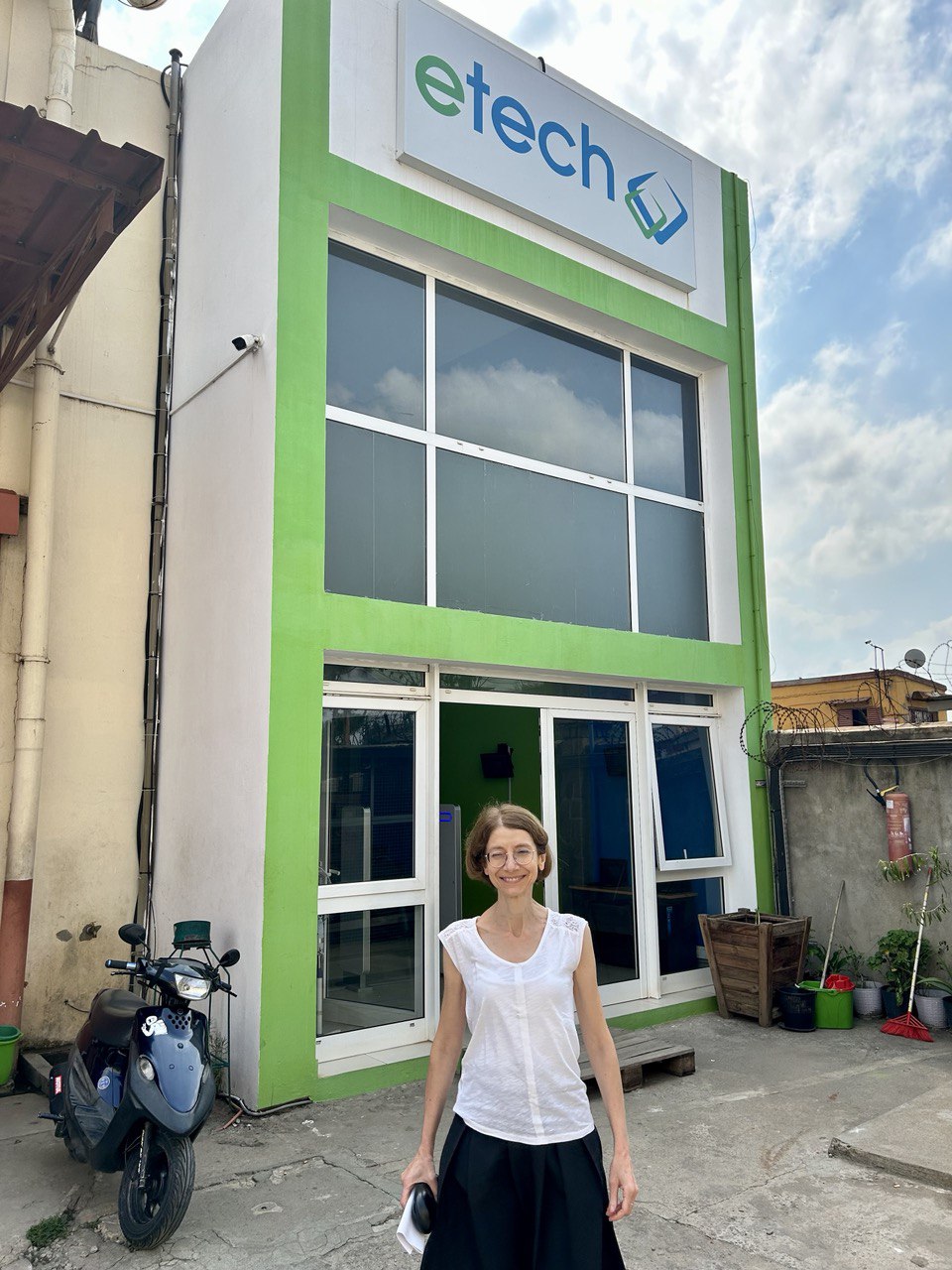
I had the privilege and pleasure to visit Madagascar in the last two weeks. I had an invitation from Institut Français where I participated in a very interesting panel on “How can Madagascar help us rethink artificial intelligence more ethically?”, with Antonio A. Casilli, Jeremy Ranjatoelina et Manovosoa Rakotovao. I also conducted exploratory fieldwork by visiting a sample of technology companies, as well as journalists and associations interested in the topic.

A former French colony, Madagascar participates in the global trend toward outsourcing / offshoring which has shaped the world economy in the past two decades. The country harnesses its cultural and linguistic heritage (about one quarter of the population still speak French, often as a second language) to develop services for clients mostly based in France. In particular, it is a net exporter of computing services – still a small-sized sector, but with growing economic value.

Last year, a team of colleagues has already conducted extensive research with Madagascan companies that provide micro-work and data annotation services for French producers of artificial intelligence (and of other digital services). Some interesting results of their research are available here. This time, we are trying to take a broader look at the sector and include a wider variety of computing services, also trying to trace higher-value-added activities (like computer programming, website design, and even AI development).

It is too early to present any results, but the big question so far is the sustainability of this model and the extent to which it can push Madagascar higher up in the global technology value chain. Annotation and other lower-level services create much-needed jobs in a sluggish economy with widespread poverty and a lot of informality; however, these jobs attract low recognition and comparatively low pay, and have failed so far to offer bridges toward more stable or rewarding career paths. More qualified computing jobs are better paid and protected, but turnover is high and (national and international) competition is tough.

At policy level, more attention should be brought to the quality of these jobs and their longer-term stability, while client tech companies in France and other Global North countries should take more responsibility over working conditions throughout their international supply chains.